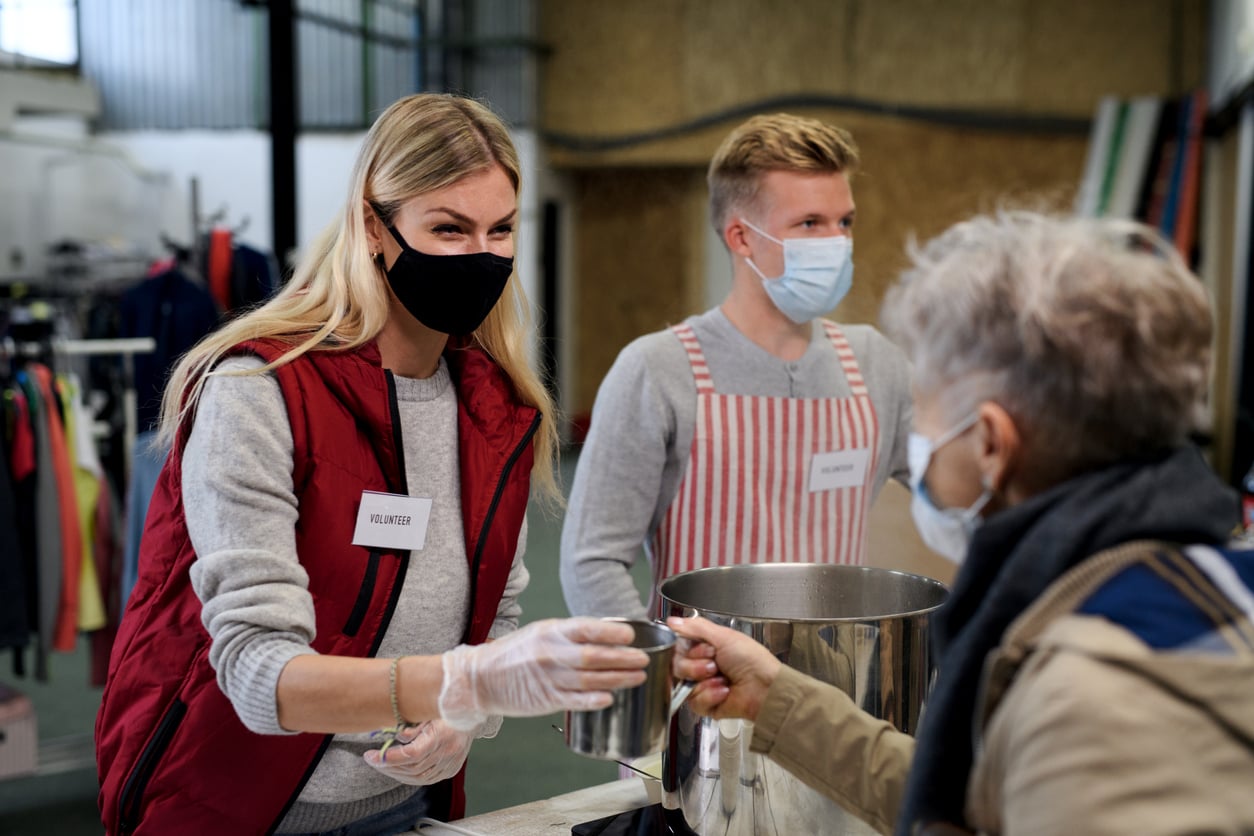
Community Service Worker Program
Preparing compassionate, skilled, and career‑ready professionals for Canada’s evolving social services sector
Program Overview
Northview College’s Community Service Worker (CSW) program is an intensive, career-oriented course designed to equip students with the theoretical knowledge, practical competencies, and ethical foundations required to support individuals, families, and communities across diverse social service environments.
Grounded in contemporary human-services practice, the program integrates social science theory, counselling fundamentals, community development principles, and hands-on training. Students learn to assess client needs, provide supportive interventions, navigate community resources, and advocate for vulnerable populations with professionalism and cultural sensitivity.
This program is ideal for individuals seeking a meaningful career in social services, mental health support, settlement work, youth programs, and community outreach. Graduates emerge prepared to contribute to inclusive, equitable, and resilient communities across Canada.
Program Advantages at Northview College
- Academically rigorous curriculum informed by current research and industry standards
- Faculty with professional experience in social work, counselling, mental health, and community leadership
- Applied learning model combining theory, case analysis, simulations, and field placement
- Supportive academic environment with small class sizes and individualized mentorship
- Strong partnerships with community agencies, non-profits, and social service organizations
- Career-focused training aligned with employer expectations and sector demands
Core Competencies You Will Develop
Throughout the program, students build a comprehensive skill set that includes:
- Client-centered communication and active listening techniques
- Crisis intervention strategies and supportive counselling approaches
- Understanding of mental health, addictions, trauma, and social determinants of health
- Case management, documentation, and professional reporting
- Ethical decision-making and adherence to professional standards
- Cultural competence and the ability to work effectively with diverse populations
- Knowledge of community resources, referral pathways, and advocacy methods
- Foundations of group facilitation, program planning, and community outreach
This combination of academic learning and applied practice ensures graduates are prepared for the realities of frontline work.
Field Placement Experience
A structured community field placement provides students with supervised, real-world experience in settings such as:
- Community and family support centres
- Mental health and addiction programs
- Youth outreach and after-school initiatives
- Shelters, transitional housing, and crisis services
- Settlement and newcomer support agencies
- Non-profit and charitable organizations
During placement, students apply classroom knowledge, develop professional confidence, and build meaningful connections with employers in the sector.
Career Pathways
Graduates of the Community Service Worker Program are prepared for a wide range of roles, including:
- Community Service Worker
- Mental Health Support Worker
- Settlement Worker
- Outreach and Housing Support Worker
- Youth Program Facilitator
- Addictions Support Worker
- Client Intake and Assessment Worker
- Family Support Assistant
- Social Services Program Assistant
The demand for trained community service professionals continues to grow across Canada, offering graduates strong employment prospects and opportunities for career advancement.
Ideal Candidates for This Program
This program is well-suited for individuals who:
- Demonstrate empathy, patience, and strong interpersonal skills
- Are passionate about supporting vulnerable populations
- Value social justice, equity, and community well-being
- Seek a career with purpose, impact, and long-term growth
- Want to develop professional skills grounded in ethics and evidence-based practice
Program Outcomes
Upon completion, graduates will be able to:
- Apply theoretical frameworks to assess client needs and develop support strategies
- Communicate effectively with clients, families, and interdisciplinary teams
- Utilize crisis intervention and supportive counselling techniques
- Navigate community resources and advocate for client access
- Maintain accurate documentation and uphold ethical standards
- Work collaboratively in diverse community settings